Coffee Scrubs and Rubber Gloves Embroidery Review
As an embroidery designer who spends more time than I care to admit testing stitch density on scrap fabric, I approach every new design file with a mix of optimism and skepticism. The market is saturated with generic quotes and clip-art style graphics, so finding a piece that actually translates well from screen to needle is rare. That is why I decided to put the Coffee Scrubs and Rubber Gloves design through its paces. This graphic, categorized under Crafts and Graphics, targets a very specific niche: healthcare professionals. But does it hold up when you are preparing a custom gift for a nurse or creating inventory for your Etsy shop? Let’s dive into the practical realities of stitching this out.
First Impressions and Visual Personality
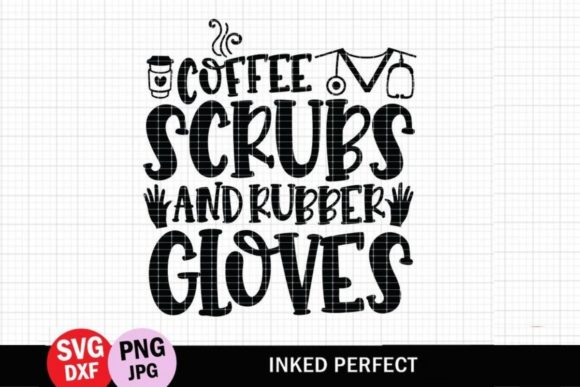
The immediate appeal of Coffee Scrubs and Rubber Gloves lies in its relatability. It captures the dual reality of nursing life—the need for caffeine and the necessity of protection—in a way that feels warm rather than clinical. Visually, the design relies heavily on typography and simple illustrative elements. For a designer, this is often a double-edged sword. Simple designs can look cheap if the font choice is poor, but they also stitch cleaner and faster.
In this case, the mood created is cozy and celebratory. It doesn’t scream "medical emergency"; it whispers "end of a long shift." The layout appears balanced, likely centering the text with supporting icons like a coffee cup or gloves flanking the quote. This kind of composition is versatile. It works equally well as a chest placement on a hoodie or as the focal point on a tote bag. The visual personality suggests a target audience that values humor and comfort over high-fashion aesthetics, which makes it an excellent candidate for handmade products aimed at everyday wearers.
Real-World Application: From Hoop to Hand
I tested this concept across several common project types to see where it shines. The most obvious application is the tote bag design. Nursing students and staff love carrying their gear in branded bags. Stitching Coffee Scrubs and Rubber Gloves onto a canvas tote offers a sturdy background that handles thread tension well. The result is a durable, functional item that customers will use daily, keeping your brand visible.
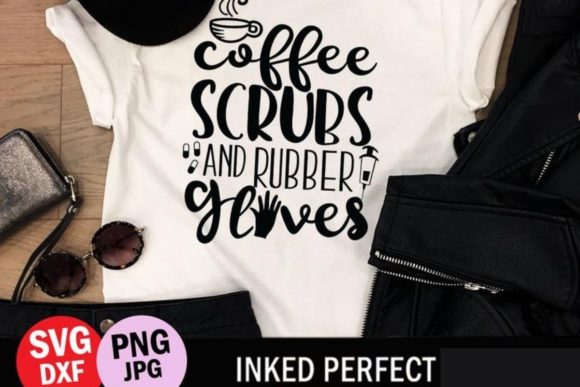
Another strong contender is sweatshirt embroidery. Imagine a soft, heather-gray crewneck with this design centered on the front. The contrast between the fabric texture and the smooth satin stitches (if used) creates a professional finish. This is particularly effective for holiday gifts or end-of-year appreciation presents. Parents buying for their children who just finished nursing school, or spouses gifting to partners, respond well to this level of personalization.
I also considered its potential as an embroidered patch. If you are selling accessories, applying this design to a denim jacket or a backpack adds a personalized touch. However, this requires careful edge finishing. The design must be clean enough to handle the cut-away stabilizer removal without fraying. For baby embroidery, such as on a onesie or bib, the theme might be slightly too mature unless stylized specifically for infants, but it could work beautifully on a nursery wall hanging or a pillow cover for a future student.
Where Caution Is Required
Not every surface is created equal, and Coffee Scrubs and Rubber Gloves has limitations. You must avoid placing this on highly textured fabrics like heavy bouclé wool or loose-weave linen. The needle penetration becomes inconsistent, leading to puckering or misaligned stitches. Similarly, thin fabrics require a heavy-duty stabilizer, and even then, the risk of showing the backing material behind the design is high.
Stretchy fabrics present another challenge. While jersey knit is popular for t-shirts, it requires specialized techniques to prevent distortion. If the design contains small lettering or intricate details in the rubber glove illustration, these areas may blur or merge if the fabric stretches during the hooping process. Curved surfaces, such as baseball caps, demand precise digitizing to account for the curvature; otherwise, the text may appear warped. Finally, dark fabrics require a higher thread count or a lighter thread color to ensure the design pops, which can increase stitching time and cost.
Impact on Product Value and Customer Trust
When you sell handmade products, presentation is everything. A well-executed finished product tells the customer that you care about quality. Coffee Scrubs and Rubber Gloves, when stitched correctly, elevates the perceived value of items like aprons, tea towels, or kitchen linens. It transforms a basic utility item into a thoughtful gift.
For Etsy sellers and small business owners, this design offers a unique selling proposition. It taps into the pride of the nursing profession while acknowledging the hard work involved. Customers trust brands that understand their niche. By offering a design that resonates emotionally, you build a connection that goes beyond the transaction. This emotional resonance drives repeat business and positive reviews, which are crucial for algorithm visibility on platforms like Etsy.
Furthermore, the design’s simplicity aids in brand consistency. Because it is not overly complex, it maintains its integrity across different mediums. Whether printed on a printable mockup for your online store or stitched onto a physical item, the core message remains clear. This clarity helps in buyer engagement, as customers immediately understand what they are getting and why it matters to them.
Practical Designer Notes for Execution
Before you rush into production, there are several technical steps you must take. First, always test the embroidery file on scrap fabric that matches the weight and stretch of your final product. This reveals how the stitch density interacts with the material. Check the thread colors carefully; if the design uses black text on a black shirt, you will need a contrasting outline or a different color palette.
Inspect the small details closely. Are the letters in "Scrubs" distinct, or do they merge? Is the outline of the gloves sharp? If the digitizing is lazy, these areas will look messy. Use a stabilizer appropriate for the fabric type—cut-away for knits, tear-away for wovens. Also, consider the hoop size; ensure your machine can accommodate the full width of the design without re-hooping, which can cause alignment issues.
It is also wise to view the design in black and white on your computer. This helps assess the balance of light and dark threads without the distraction of color. Does the design feel heavy on one side? Adjusting the placement or adding balancing elements can improve the aesthetic. Additionally, confirm the licensing terms. If you plan to sell the commercial embroidery items, ensure you have the right to do so. Many digital files come with restrictions that prohibit resale of finished goods.
Final Verdict
Coffee Scrubs and Rubber Gloves is a solid addition to any designer’s library, particularly for those targeting the healthcare niche. It balances charm with professionalism, making it suitable for a wide range of custom apparel and personalized gifts. While it requires standard precautions regarding fabric choice and stabilization, its versatility and emotional appeal make it a worthwhile investment for both hobbyists and craft business entrepreneurs. Just remember: the best embroidery starts with good preparation and ends with careful execution.