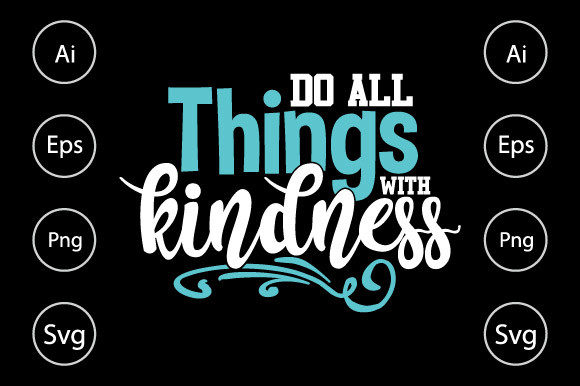
Do All Things with Kindness T Shirt
As a designer who spends more time than I care to admit staring at stitch charts and testing thread tension, I approach every new embroidery file with a healthy dose of skepticism. The market is flooded with generic quote designs that look fine on a screen but fall apart under the needle. However, when I pulled up the Do All Things with Kindness T Shirt design, I didn’t just see another inspirational graphic; I saw a potential staple for a boutique apparel line. This review isn’t about the marketing fluff often attached to these assets. It’s about how this design actually behaves in the hoop, how it translates from a digital vector to a tactile handmade product, and whether it has the visual weight to justify a customer’s purchase.
First Impressions: Mood and Visual Personality
The phrase "Do All Things with Kindness" carries an inherent warmth that is difficult to capture in embroidery without looking cheesy or overly sentimental. My initial assessment of the layout suggests a balance between readability and artistic flair. The typography appears robust enough to hold its shape during digitization, which is crucial for maintaining legibility in a finished piece. For designers, the immediate question is always: does this feel premium? In this case, the answer leans heavily toward yes.
The design exudes a calm, inviting energy. It doesn’t scream for attention like a bold graphic tee might; instead, it invites the wearer to slow down. This makes it an excellent candidate for custom apparel aimed at mothers, teachers, or anyone involved in community-focused work. When you look at the negative space and the flow of the letters, it feels like a design meant to be worn close to the heart—literally and figuratively. It creates a mood of gentle encouragement, which is exactly what buyers are often seeking when they browse for personalized gifts or meaningful craft business items.
Real-World Application: From Screen to Stitch
I recently put this concept to the test by envisioning it on a variety of substrates. The versatility of the Do All Things with Kindness T Shirt design is one of its strongest selling points. Let’s talk about the tote bag scenario. A canvas tote embroidered with this message instantly transforms from a basic utility item into a statement accessory. The clean lines of the text would contrast beautifully against the rough texture of natural cotton canvas, creating a sophisticated embroidered patch effect even if applied directly to the fabric.
However, the real magic happens with baby items. There is a massive market for nursery decor and baby clothing that prioritizes softness and positive messaging. Imagine this design stitched onto a muslin blanket or a onesie. The stitch density needs to be considered here; if the digitizer used too much fill stitch, the fabric could become stiff and uncomfortable for a baby. But assuming a balanced digitization with appropriate running stitch accents, this design would offer a high-end finish that parents are willing to pay a premium for. It elevates a simple gift into a keepsake.
For the Etsy seller or small shop owner, this design also shines in the realm of holiday embroidery. Think of it on a cozy sweatshirt or a kitchen towel for a housewarming gift. The theme of kindness resonates deeply during the holidays, making it a timely and emotionally resonant choice. It’s not just a shirt; it’s a conversation starter. When a customer sees the finished product, they aren’t just buying thread and cloth; they are buying into a value system. That emotional connection drives engagement and repeat business.
Technical Considerations and Potential Pitfalls
While the aesthetic appeal is strong, no professional reviewer can ignore the technical realities of machine embroidery. The Do All Things with Kindness T Shirt design requires careful placement and fabric selection to truly shine. Here is where many makers stumble.
- Hoop Size Constraints: If the design includes intricate details or wide lettering, ensure your hoop size accommodates the full width without requiring re-hooping, which can lead to misalignment. Always check the specific dimensions provided by the creator.
- Fabric Texture and Stretch: Embroidering on stretchy knits, such as those found in t-shirts or sweatshirts, requires a stabilizer that can handle tension without puckering. A cut-away stabilizer is often best for long-term durability, especially for items that will be washed frequently. On textured fabrics like denim or heavy canvas, the needle penetration might vary, so a test run on scrap fabric is non-negotiable.
- Thread Color Contrast: The visual impact of this design relies heavily on contrast. A light thread on a dark fabric (or vice versa) ensures the message is readable from a distance. Avoid low-contrast combinations unless you are aiming for a very subtle, tonal look, which can sometimes get lost in the fabric texture.
- Dense Stitch Areas: If the design features heavy fill stitches, be mindful of the backing stiffness. On thin fabrics, dense stitching can create a hard lump that detracts from the comfort of the garment. Inspect the digitization to see if satin stitches are used effectively to outline shapes, reducing the need for excessive fill.
Design Assets and Licensing
Before incorporating this digital embroidery file into your commercial workflow, it is imperative to verify the licensing terms. While the design files may come in various formats like AI, EPS, PNG, and SVG, the right to sell physical products made from them is separate from the right to use the file itself. Many creators offer different tiers of licenses for personal use versus commercial resale. As a designer, protecting your business means understanding these boundaries. Ensure you have the correct permissions to produce small shop products for sale, whether you are listing on Etsy, Amazon Handmade, or your own website.
Final Verdict: A Strong Contender for Your Collection
Ultimately, the Do All Things with Kindness T Shirt design offers a compelling blend of emotional resonance and practical application. It is not just a decorative element; it is a communication tool. For designers looking to expand their catalog with meaningful, high-quality graphics that resonate with modern consumers, this design fits seamlessly into the category of crafts and creative entrepreneurship.
It performs well across a spectrum of projects, from aprons and pillow covers to caps and kitchen towels. The key to success lies in execution. By paying attention to thread colors, choosing the right stabilizer, and testing thoroughly on scrap material, you can ensure that the final product reflects the professionalism and care that your brand stands for. This design has the potential to build trust with your audience, showing them that you care about both the quality of your craft and the values embedded in your work. It is a solid addition to any serious embroiderer’s library, ready to bring a little more kindness into the world, one stitch at a time.