Halloween Sublimation Spooky Season
As a designer who spends half my life staring at hoop sizes and the other half worrying about thread tension, I approach every new digital asset with a healthy dose of skepticism. The market is flooded with generic clip art, so finding something that actually translates well from screen to fabric is rare. Recently, I pulled Halloween Sublimation Spooky Season into my workflow to see if it had the legs for real-world application. This isn't just another decorative graphic; it is a specific mood piece that demands careful consideration before you hit "start" on your machine.
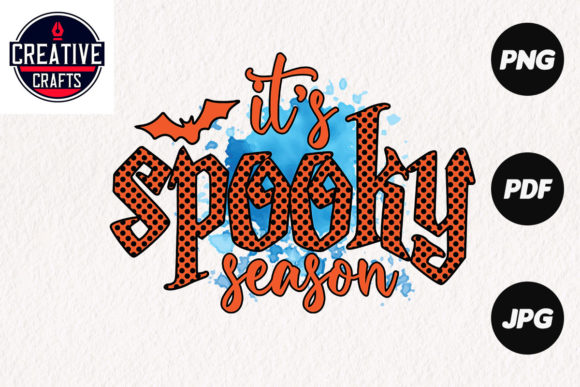
The first thing that strikes you about this design is its immediate thematic clarity. It screams "Spooky Season," but it does so without relying on cluttered, chaotic elements that often plague low-quality embroidery files. The layout feels balanced, suggesting a design that respects negative space—a critical factor when converting 2D graphics into 3D stitched texture. For those of us in the Crafts and Graphics sectors, understanding how a design breathes is just as important as the lines themselves. This file arrives in a compressed zip folder containing PNG, PDF, and JPG formats at 300 DPI, which gives us high-resolution assets to work with, though the actual conversion to an embroidery file depends heavily on the digitizing software you choose.
Real-World Application: The Custom Tote Bag Scenario
To truly evaluate Halloween Sublimation Spooky Season, we need to put it to the test in a realistic scenario. Imagine you are preparing inventory for a local craft fair or updating your Etsy shop for the Q4 rush. You decide to create a line of custom embroidered tote bags featuring autumnal themes. Most designers would reach for a pumpkin or a witch’s hat, but there is something more compelling about a strong typographic statement like "It's Spooky Season."
When I mocked up this design on a canvas tote, the visual appeal was immediate. The text-based nature of the quote allows for bold, confident stitching. However, typography in embroidery is unforgiving. If the kerning is off or the stitch density is too high, letters merge into an unreadable blob. Because this is originally a sublimation design, the transition requires thoughtful digitizing. We are looking at a project where the satin stitch needs to be crisp around the letterforms, while any decorative accents might benefit from a lighter fill stitch to avoid creating a stiff, cardboard-like feel in the fabric.
This approach works beautifully for custom apparel and handmade product lines targeting teens and young adults who appreciate minimalist yet festive aesthetics. It moves away from the childish aesthetic of standard Halloween decor and leans into a trendy, boutique vibe. For an Etsy seller, this distinction is crucial. Buyers are increasingly savvy; they want items that look professionally made, not mass-produced. A well-executed embroidered patch or centered chest logo using this design elevates the perceived value of the final item.
Performance Across Different Fabrics and Garments
Not all surfaces are created equal, and Halloween Sublimation Spooky Season will react differently depending on what you stitch it onto. Let’s break down its performance across various common mediums:
- Sweatshirt Embroidery: This is perhaps the strongest use case. The heavier weight of French terry or cotton blends provides a stable base for dense lettering. The design likely performs best here, offering a cozy, tactile experience that aligns perfectly with fall vibes. Just ensure you use a cut-away stabilizer to prevent puckering over time.
- Tote Bag Design: Canvas is durable but can be thick. You may need to adjust your needle size and thread tension. The transparent background options provided in the PNG files are helpful for previewing placement, but always test the hoop size constraints early. Large text designs require larger hoops, which can limit where you can place the design on a tote handle or side panel.
- Baby Embroidery: While the theme is spooky, the clean lines make it suitable for nursery decor or holiday gifts for older siblings. However, for baby clothes, you must reduce the stitch density. Thick stitches can irritate sensitive skin. In this context, the design should be scaled down and simplified, focusing on softness rather than bold impact.
- Aprons and Kitchen Towels: These items undergo frequent washing. The durability of the design becomes paramount. Ensure that the thread colors chosen have high contrast against the fabric (e.g., white or orange thread on black denim) to maintain visibility after multiple laundry cycles. Dark fabrics can hide subtle shading, so rely on solid color blocks rather than gradients.
Where to Exercise Caution
Even the best designs have limitations. There are specific scenarios where Halloween Sublimation Spooky Season might struggle if not handled with expertise:
- Small Hoop Sizes: If you attempt to shrink this design too small, fine details will disappear. Tiny lettering is notoriously difficult to read in embroidery because the thread width exceeds the character spacing. Keep the finished stitch area large enough to breathe.
- Textured and Stretchy Fabrics: Knits, ribbed cuffs, or heavily textured materials can distort the design. Without proper hooping techniques and stabilizers, the fabric will pucker, warping the "Spooky Season" quote. Avoid placing this on curved surfaces like baseball caps unless you have advanced digitizing skills to compensate for the curvature.
- Dense Stitch Areas: If the original graphic contains heavy fills, converting it directly to embroidery can result in a stiff, uncomfortable garment. Review the stitch plan carefully. Consider replacing some fill areas with running stitches or removing unnecessary underlay to keep the fabric flexible.
Practical Designer Notes for Success
Before you commit to a full production run or list this as a commercial embroidery product, follow these essential steps to protect your reputation and ensure quality:
- Test on Scrap Fabric: Always run a test stitch on the exact same fabric and stabilizer combination you plan to use for the final product. This reveals issues with thread tension, needle type, and stability that mockups cannot show.
- Check Thread Color Contrast: Digital screens lie. A color that looks vibrant on your monitor might wash out on fabric. Test your thread colors in natural light. For Halloween, classic combinations like black/orange/white or purple/green work best, but don't be afraid to experiment with metallic threads for accents if the design allows.
- Review Stitch Density: High density saves time but creates bulk. Low density risks showing the backing material. Find the sweet spot where the fabric shows through slightly but the design remains opaque and clear.
- Inspect Small Details: Zoom in on the vector or raster source. Are there tiny flourishes that won't stitch well? Simplify them during the digitizing process. Clean edges are more professional than complex, messy ones.
- Confirm Licensing: Since this is a digital product intended for resale, verify the license terms. Can you sell finished goods? Can you sell the digitized file itself? Clear licensing prevents legal headaches and builds trust with your customers.
Final Verdict on Visual Appeal and Brand Consistency
Halloween Sublimation Spooky Season offers a versatile foundation for creative entrepreneurs looking to capitalize on the autumn market. Its strength lies in its simplicity and broad appeal. It fits seamlessly into a brand identity that values modern, clean aesthetics over traditional, cluttered holiday tropes. Whether you are creating personalized gifts, small shop products, or design assets for other makers, this design provides a reliable starting point.
The inclusion of high-resolution PNGs with transparent backgrounds makes it easy to integrate into printable mockups and digital product previews, helping you market your services effectively before you even pick up a needle. For the experienced embroiderer, the challenge—and the opportunity—lies in the execution. By paying attention to fabric texture, stabilizer choice, and thread colors, you can transform this graphic into a stunning finished product that stands out in a crowded marketplace.
In conclusion, this is a solid addition to your library of machine embroidery designs. It is not a magic bullet that fixes poor digitizing, but it is a well-composed template that rewards careful craftsmanship. Use it wisely, test thoroughly, and you will find it resonates well with customers looking for that perfect touch of seasonal charm.