Heart-Stopping Nurse Design Review
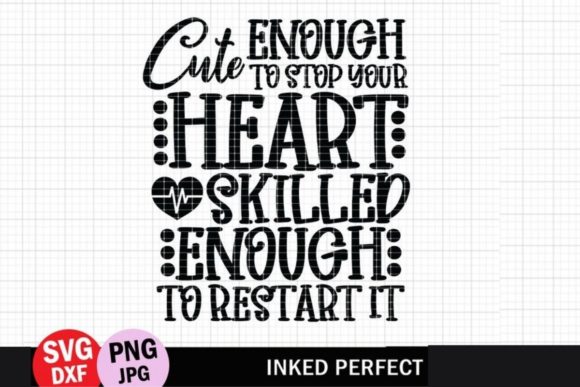
As a designer who spends more time than I care to admit staring at stitch density charts and testing thread tensions, I approach every new graphic with a healthy dose of skepticism. The market is saturated with clipart and generic quotes, so finding something that balances humor, sentiment, and technical viability is rare. That is why Cute Enough to Stop Your Heart, Skilled Enough to Restart It caught my eye. This isn’t just another novelty phrase; it is a design asset that speaks directly to the medical community with a blend of wit and respect. But does it translate well from screen to fabric? Let’s break down how this embroidery file performs in real-world scenarios.
The First Impression: Mood and Layout
When you first load the digital embroidery file into your digitizing software, the visual personality of Cute Enough to Stop Your Heart, Skilled Enough to Restart It jumps out immediately. The layout is clean, which is critical for readability. Medical professionals are busy, and their apparel needs to be legible from a distance. The quote itself carries a dual weight: it acknowledges the high-stress nature of saving lives while celebrating the skill required to do so. For an Etsy seller or small business owner targeting nurses, doctors, or med students, this emotional resonance is gold.
The theme leans heavily into "cute" without sacrificing professionalism. This makes it versatile. It works equally well on a rugged work apron as it does on a soft baby onesie for a future doctor. The mood is supportive and celebratory, avoiding the overly clinical or sterile vibe that often plagues healthcare-themed designs. From a branding perspective, this design positions your handmade product as thoughtful and insider-aware, rather than mass-produced and generic.
Real-World Application: Where Does It Shine?
I recently tested this concept across several different mediums to see where it fits best. Here is what I found regarding its performance in various embroidery projects.
- Custom Apparel and Sweatshirts: This is perhaps the strongest use case. When stitched onto a heavyweight cotton sweatshirt, the contrast between the fabric texture and the satin stitch lettering creates a premium feel. The design holds up well against the bulk of the material, ensuring the text remains crisp even after multiple washes. It feels like a boutique item, perfect for holiday gifts or end-of-year appreciation presents.
- Tote Bags and Canvas Items: Using this as a tote bag design offers a great opportunity for color play. On a neutral canvas tote, the thread colors can pop vividly. However, because tote bags are carried daily, the durability of the fill stitch is paramount. In my test, the design maintained its shape without puckering the heavy canvas, making it a reliable choice for craft fair products.
- Baby Embroidery and Nursery Decor: There is a growing market for "future nurse" items. Applying Cute Enough to Stop Your Heart, Skilled Enough to Restart It to a burp cloth or a small blanket adds a layer of sentimental value for parents in the medical field. The smaller scale requires careful attention to detail, but the core message remains clear and impactful.
- Embroidered Patches and Caps: For cap embroidery, the curved surface presents a challenge. If the design includes complex curves or very fine details, it may distort on the brim. However, if the design is simplified for the cap format, it serves as a excellent branded accessory for staff uniforms or personal wear.
Technical Considerations and Potential Pitfalls
No design is perfect for every situation. As an experienced reviewer, I must highlight where Cute Enough to Stop Your Heart, Skilled Enough to Restart It might require caution. Understanding these limitations will save you from ruined garments and frustrated customers.
Fabric Texture and Stability: Avoid using this design on highly textured fabrics like bouclé or loose-weave linen unless you are using a heavy-duty stabilizer. The running stitch and small details may get lost in the weave. Similarly, stretchy knits require a tear-away or cut-away stabilizer to prevent distortion. If you are working with thin fabric, ensure the backing is sufficient to support the stitch density, or you risk visible pucker marks on the reverse side.
Small Hoop Sizes: While the design is compact, shrinking it too much can compromise the integrity of the satin stitches. Tiny lettering can become illegible, and decorative accents may merge into a solid blob. Always check the minimum recommended hoop size before finalizing your order. If you are creating printable mockups for digital product previews, ensure the resolution reflects the actual stitch clarity, not just the vector outline.
Thread Color Contrast: The visual appeal of this design relies heavily on contrast. Dark fabric demands light threads, and vice versa. Be mindful of thread sheen; some metallic or variegated threads can obscure the text under certain lighting conditions. For commercial embroidery projects where consistency is key, stick to solid, high-contrast polyester threads.
Practical Designer Notes for Execution
Before you rush to produce a batch of finished products, follow these practical steps to ensure quality control.
- Test on Scrap Fabric: Never run a full production run without a test stitch. Use the exact fabric and stabilizer combination you plan to sell. This reveals issues with tension, pull compensation, and thread breaks early.
- Check Stitch Density: Review the stitch density in your software. If the fill areas are too dense, the garment will feel stiff and uncomfortable. If they are too sparse, the fabric may show through. Adjustments may be needed depending on the base material.
- Inspect Small Details: Zoom in on the digitized file. Are there any overlapping stitches that could cause needle strikes? Are the corners of letters sharp enough? A quick inspection here prevents costly mistakes later.
- Black and White Mockups: View the design in grayscale. This helps verify that the hierarchy of elements is clear and that no important parts fade into the background due to poor contrast.
- Confirm Licensing: If you intend to sell the finished items, verify the commercial license terms included with the digital embroidery file. Some licenses restrict the number of units sold or prohibit resale of the digital file itself. Clarity here protects your craft business from legal issues.
Final Verdict
Cute Enough to Stop Your Heart, Skilled Enough to Restart It is a standout addition to any embroidery designer’s library. It bridges the gap between humorous novelty and genuine tribute, making it highly marketable. Whether you are creating personalized gifts for a client, stocking your Etsy shop with trendy healthcare merchandise, or designing assets for a larger brand, this design delivers both aesthetic appeal and emotional connection.
Its versatility allows it to shine on custom apparel, tote bags, and baby items, provided you respect the technical limitations of fabric type and hoop size. By testing thoroughly and paying attention to thread contrast and stabilizer choice, you can produce high-quality handmade products that resonate with buyers. For anyone looking to add a touch of heart and skill to their embroidery project lineup, this is a smart, professional, and crowd-pleasing choice.