I Love You a Latte Embroidery Review
As someone who spends more time than I care to admit staring at stitch density charts and debating thread color palettes, I approach every new machine embroidery design with a mix of skepticism and hope. The market is saturated with Valentine’s Day graphics, so finding one that balances humor, aesthetic appeal, and technical viability for actual production is rare. That is why I decided to put "I Love You a Latte" through its paces. This isn’t just another clipart file; it is a graphic concept that demands careful execution if you want your finished product to look professional rather than amateurish.
The First Impression: Mood and Visual Personality
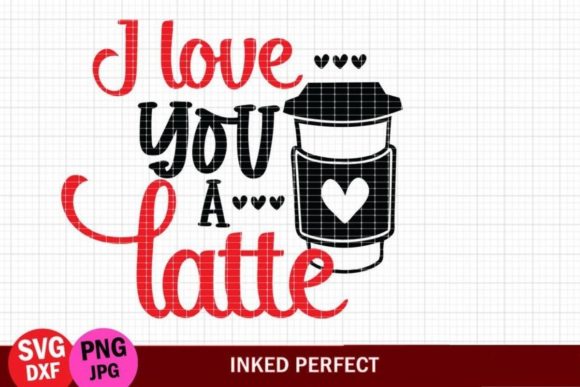
When you first load the I Love You a Latte file into your digitizing software, the immediate takeaway is its playful warmth. It taps into the universal love for coffee culture while wrapping it in the affectionate context of Valentine’s Day. For craft business owners and Etsy sellers, this duality is gold. It appeals not only to romantic partners but also to friends, coworkers, and anyone who needs a caffeine fix. The visual personality is casual yet polished, making it suitable for a wide range of applications without feeling forced.
The layout relies on strong typography and likely incorporates coffee-related iconography, such as a steaming mug or heart-shaped steam. From a design perspective, this works because it creates an instant narrative. Customers do not need to read the text twice to understand the joke; they feel the vibe immediately. This kind of quick recognition is crucial for small shop products displayed in busy online marketplaces or craft fair booths where attention spans are short.
Real-World Application: The Custom Tote Bag Scenario
To truly evaluate this design, let us imagine a real project. I am preparing a batch of custom embroidered tote bags for a local boutique client who wants to sell them as holiday gifts. The target audience is young professionals and students—people who value both style and utility. Here is how "I Love You a Latte" performs in this specific scenario.
Placing this graphic on a canvas tote bag allows the design to breathe. The natural texture of the cotton canvas complements the playful nature of the quote. However, placement is everything. If you center it too high, it interferes with the bag’s structure. A lower left chest placement or a centered bottom quadrant often works best for tote bag design elements like this. The humor lands better when the viewer has to look slightly down, creating a moment of connection before they pick up the bag.
For personalized gift items, such as aprons or kitchen towels, the design shines even brighter. Imagine a baker receiving this on a flour-sack towel. The contrast between the domestic setting and the witty quote adds a layer of charm that increases the perceived value of the handmade product. It transforms a simple utility item into a conversation starter, which is exactly what drives word-of-mouth marketing for independent creators.
Technical Performance and Stitching Considerations
While the concept is strong, the success of any embroidery project hinges on the digitization quality. When evaluating "I Love You a Latte," you must scrutinize the stitch types. Does the design rely heavily on dense fill stitch areas? If so, ensure your fabric can support that weight without puckering. For lightweight fabrics like thin cotton tees or delicate baby clothes, excessive density will cause distortion.
The text itself is the critical component. In many designs, small lettering can become illegible after stitching due to thread bleed or lack of definition. Check the kerning and spacing in the digital preview. If the letters are too close together, they may merge into a blob, especially if you are using a thicker embroidery thread. A good rule of thumb is to test the design in black and white mockups to check contrast clarity. If the text does not pop in grayscale, it might struggle against colored backgrounds.
Additionally, consider the use of satin stitch for outlines or borders. Satin stitches provide a clean, finished edge that elevates the design from "sticker-like" to "premium embroidery." If the design includes decorative accents, such as a coffee bean or a heart, verify that these smaller elements have adequate underlay stitches to keep them stable during the run. Unstable details can lead to thread breaks or misalignment, which damages customer trust.
Where to Exercise Caution
Not every surface is created equal. There are several scenarios where "I Love You a Latte" requires extra caution:
- Small Hoop Sizes: If you are trying to fit this design into a 4x4 hoop on a compact machine, ensure the margins are sufficient. Cramped designs lose their impact and are harder to hoop accurately.
- Textured Fabrics: While linen or burlap looks great aesthetically, the uneven surface can distort fine details. Use a heavier stabilizer or consider applique techniques if the base fabric is too rough.
- Stretchy Fabrics: Knits and jersey materials require ballpoint needles and potentially cut-away stabilizers to prevent stretching during stitching. Test on scrap fabric first to avoid ruining your garment.
- Curved Surfaces: Applying this to caps or hats requires specialized hoops. The curvature can stretch the design visually, so you may need to adjust the digitization or choose a flatter area of the cap for placement.
- Dense Stitch Areas: Avoid placing heavy fill stitches directly over seams, zippers, or pockets, as this adds unnecessary bulk and discomfort.
Impact on Brand Consistency and Customer Trust
In the world of commercial embroidery, consistency is key. Using a well-executed design like "I Love You a Latte" signals professionalism. When customers receive a product where the threads are tight, the colors match the intended palette, and the alignment is precise, they perceive higher value. This is particularly important for digital product sellers who create printable mockups. If your mockup shows a sloppy or stretched design, potential buyers will assume the actual product will look the same.
Furthermore, the theme of the design affects its longevity in your catalog. Valentine’s Day is seasonal, but coffee culture is year-round. By positioning this as a "coffee lover's gift" rather than strictly a romantic gesture, you extend the selling window. This strategic thinking helps creative entrepreneurs manage inventory and marketing efforts more effectively throughout the year.
Practical Designer Notes for Implementation
Before committing to a full production run, follow these steps to ensure quality:
- Test on Scrap Fabric: Always stitch out the design on the exact fabric and stabilizer combination you plan to use. This reveals issues with tension, thread breakage, or fabric pull that you cannot see on screen.
- Check Thread Color Contrast: Ensure the thread colors stand out against the fabric. Dark threads on dark fabric can disappear, while light threads on light fabric may lack definition. Adjust your color palette accordingly.
- Confirm Licensing: If you plan to sell finished items, verify the commercial license terms. Some graphics allow personal use only, while others permit limited commercial sales. Protect your business by understanding the legal boundaries.
- Inspect Small Details: Zoom in on the digitized file. Are there any floating stitches or unnecessary trims? Clean digitization results in a faster machine run and a cleaner final product.
- Compare Light and Dark Backgrounds: Test the design on both white and black fabric swatches. A design that looks good on white might be invisible on black, or vice versa. This helps you offer versatile options to your customers.
Final Verdict
"I Love You a Latte" is a solid addition to any embroidery designer’s library. It offers a perfect blend of humor, relatability, and visual appeal. When executed correctly, it enhances the value of custom apparel, accessories, and home decor items. By paying attention to technical details like stitch density, fabric choice, and stabilization, you can turn this simple graphic into a standout product that resonates with customers. Whether you are making a single personalized gift for a friend or stocking shelves for your handmade shop, this design has the potential to deliver both satisfaction and sales. Just remember: the magic is in the stitching, not just the image.