Pickup Truck Halloween Embroidery Review
As a designer who spends half my life staring at stitch lines and the other half worrying about client satisfaction, I don’t just buy an embroidery file because it looks cute on a screen. I need to know how it translates to thread. When I pulled up Pickup Truck Halloween, my first thought wasn't just about the holiday theme, but about its commercial viability and stitching potential. This is a Crafts category item that falls squarely into the Graphics type, meaning it relies heavily on strong visual shapes rather than intricate, delicate detailing. For those of us running a craft business or managing an Etsy seller shop, understanding these nuances is everything.
First Impressions: Mood and Visual Personality
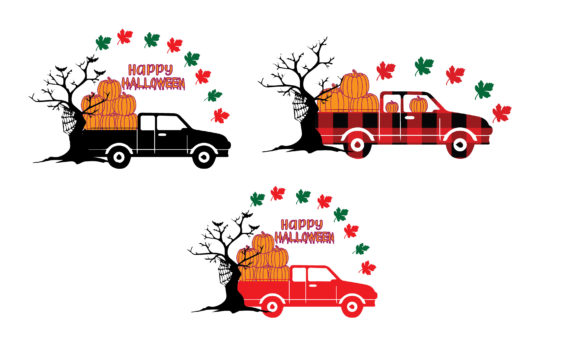
The moment you load Pickup Truck Halloween into your digitizing software, the vibe is immediate. It’s playful, rustic, and undeniably seasonal. The design leverages the iconic silhouette of a pickup truck—a staple of Americana and rural aesthetics—merged with classic Halloween iconography. From a design perspective, this creates a high-recognition factor. Customers see a truck and a pumpkin (or similar motif) and instantly understand the product’s purpose without needing a label.
What stands out most is the layout. Because this is a vector-based asset provided in AI and EPS formats, the shapes are clean and scalable. However, as any experienced embroiderer knows, vector clarity doesn't always equal stitchability. The design feels robust. It isn’t trying to be a fine-art portrait; it’s built for impact. This makes it perfect for custom apparel where you want the design to pop from across a room. The mood is cozy yet festive, striking a balance that appeals to both hardcore crafters and casual gift buyers looking for something unique for their front porch or living room.
Real-World Application: Where Does This Design Shine?
I recently put Pickup Truck Halloween through its paces with a specific project in mind: a line of boutique holiday gifts. Here is how it performed in real-life scenarios.
- Sweatshirt Embroidery: This is perhaps the strongest use case. The chunky nature of the truck design sits beautifully on the heavy cotton fleece of a crewneck sweatshirt. It anchors the garment well, especially when placed over the heart or centered on the back. The stitch density appears sufficient to cover the fabric texture without showing through, which is crucial for comfort.
- Tote Bag Design: Canvas tote bags are a staple for small shop products. Using this design on a sturdy canvas bag creates a practical yet stylish accessory. The bold lines hold up well against the woven texture of the bag, ensuring the image remains distinct even after multiple washes.
- Holiday Embroidery and Home Decor: Beyond apparel, this design translates exceptionally well to home goods. I envision this on a thick kitchen towel or a pillow cover. The contrast between the soft fabric and the structured embroidery adds a tactile element that customers love. It elevates a simple $5 towel into a $20 gift item.
- Embroidered Patch: If you plan to create detachable patches, this design works well. The outer edges of the truck can serve as a natural border, allowing for a clean satin stitch edge that keeps the patch durable and fray-resistant.
For digital product sellers, the inclusion of a high-quality PNG file is a significant value-add. You can use this to create printable mockups for your listings, giving potential buyers a realistic preview of the finished product before they purchase the digital file or the physical item.
Technical Considerations and Stitch Quality
While the visual appeal is high, we need to talk about the mechanics. The product description notes a 300 DPI resolution and CMYK color mode. While DPI matters more for printing, the vector nature (AI/EPS) ensures that when you convert this to an embroidery project, you have control over the pathing.
However, you must be vigilant about thread colors. The design’s effectiveness relies on contrast. If you attempt this on a dark fabric using light threads without proper underlay, the design may look muddy. Conversely, using dark threads on black fabric will result in a lost-in-the-dark effect. I recommend testing a small section first to ensure the satin stitch areas (if present around the edges) lay flat and don’t pucker the fabric.
The fill stitch areas should be checked for density. If the fill is too dense, it might become stiff and uncomfortable, particularly if used on baby clothes or items that require frequent washing. If the fill is too sparse, the fabric texture might show through, ruining the crispness of the truck shape. Always review the stitch map in your software before hitting start.
Where to Use With Caution
No design is universal, and Pickup Truck Halloween has specific limitations based on its graphic nature.
- Small Hoop Sizes: Due to the likely width of the truck graphic, this may not fit comfortably in hoops smaller than 4x4 inches. Trying to cram this into a tiny space could result in distorted proportions or clipped details.
- Textured or Stretchy Fabrics: Avoid using this on highly textured fabrics like bouclé or very stretchy jersey knits unless you use a heavy-duty stabilizer. The tension required for the truck’s straight lines might cause waviness on unstable fabrics.
- Curved Surfaces: While it might work on a cap, the rigid geometry of a truck might not follow the curve of a baseball hat perfectly. It may look better on a flat surface like a backpack or a boxy tote.
- Delicate Items: This design is too bold for delicate lace or thin silk. It demands a substantial fabric weight to support its visual and physical presence.
Final Verdict for Creators and Sellers
Does Pickup Truck Halloween earn a spot in your library? Absolutely. It is a versatile, commercially viable design that taps into two massive markets: truck enthusiasts and Halloween shoppers. Its strength lies in its simplicity and recognizability. It doesn’t try to do too much, which is exactly why it works so well for mass production or quick personalization.
For the embroidery designer, the ability to modify colors via the AI/EPS files means you can adapt this for different themes—perhaps swapping orange for green for a "Grinch" vibe or red for Christmas, though sticking to the Halloween theme is where it shines brightest. For the handmade product creator, this design offers high perceived value with relatively low complexity in execution.
Before committing to a large batch, remember to test on scrap fabric, check your stabilizer choice, and confirm your licensing terms if you intend to sell the finished items. But visually? It’s a winner. It brings a friendly, rustic charm that customers respond to, making it an excellent addition to your fall collection. Whether you are creating a personalized gift for a neighbor or stocking shelves for the holiday season, this design delivers on both style and substance.