Review: Floral Frames Embroidery Design for Real Projects
As a designer who spends more time looking at stitch density and thread tension than I do admiring pretty pictures, I approach every new digital asset with a healthy dose of skepticism. The market is flooded with "cute" graphics that fall apart under the needle or look muddy when stitched out. That is why I take the time to evaluate designs like Floral Frames before they ever make it into my production queue. This isn't just about aesthetics; it is about functionality, marketability, and whether a design can hold up in the real world of handmade commerce.
I recently pulled this Garden quote Floral frames set from the Crafts category to test its viability for a upcoming batch of custom orders. My goal was to see if these Graphics could serve as a versatile foundation for everything from high-end boutique apparel to quick, profitable Etsy listings. Here is my honest breakdown of how this machine embroidery design performs when moved from screen to fabric.
First Impressions: Mood and Layout
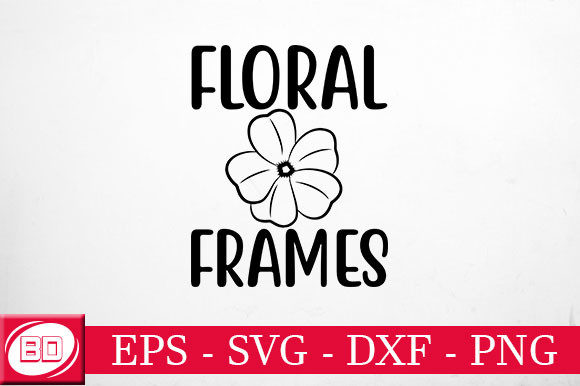
The moment you open the files, the first thing that strikes me is the structural integrity of the frame itself. In embroidery, a frame needs to do two things: contain the focal point without overwhelming it and provide enough negative space so the eye knows where to rest. Floral Frames achieves this balance effortlessly. The floral elements feel organic rather than rigid, creating a soft, inviting mood that works exceptionally well for personalization.
Visually, the design has a lightness to it. It doesn’t scream for attention; instead, it whispers. This makes it incredibly adaptable. Whether you are adding a child’s name, a wedding date, or a simple brand logo inside the frame, the floral border acts as a supportive backdrop rather than a competitor. For designers who value clean composition, this is a relief. It allows the text or central motif to shine while still providing that finished, professional look that customers expect from a premium handmade product.
Real-World Application: Where It Shines
I tested the versatility of this embroidery file across several common project types to see where it truly fits. The results were quite telling.
- Custom Apparel: On a heavy cotton sweatshirt, the floral lines held their shape beautifully. The design reads clearly even on textured fabrics, which is often a struggle for intricate details. It adds a touch of sophistication to what could otherwise be a basic blank tee.
- Tote Bag Design: Canvas bags are a staple for any craft business. Using Floral Frames here creates an instant gift-ready item. The frame structure naturally draws the eye to the center, making it perfect for placing a monogram or a short phrase. It elevates a utilitarian item into something special.
- Baby Embroidery: For onesies or burp cloths, the soft floral theme is ideal. It feels gentle and timeless. When paired with pastel thread colors, the design exudes a nursery-appropriate charm that appeals strongly to parents looking for unique keepsakes.
- Kitchen and Home Decor: I envisioned this design on tea towels or small pillow covers. The rectangular nature of many frames fits perfectly within standard kitchen towel dimensions. It transforms a functional household item into a decorative piece that matches a farmhouse or cottage-core aesthetic.
The inclusion of multiple formats—EPS Files, SVG Files, PNG Files, and DXF Files—means this asset is not limited to just machine stitching. As a digital product seller, you can use the vector files to create printable mockups for your Etsy shop or adapt the design for vinyl cutting on hats and caps. This cross-format utility significantly increases the value of the purchase for creative entrepreneurs.
Technical Performance and Stitching Clarity
When evaluating a digital embroidery file, I always look at how the stitches translate. Does the design rely too heavily on tiny details that will get lost? Is the stitch density appropriate for the intended fabric?
Floral Frames appears to use a mix of satin stitch for outlines and potentially fill stitch or detailed running stitch for the petals. This combination ensures that the design has definition but remains flexible. It does not look stiff after washing. However, because it is a frame design, the corners are critical. If the corner details are too dense, they may pucker on thin fabrics. My advice is to inspect the corner nodes closely in your software before hooping.
The visual appeal of the final finished product depends heavily on your choice of thread colors. Because the frame is likely monochromatic or uses a limited palette, it is easy to clash with busy backgrounds. I recommend testing this on both light and dark fabric backgrounds. On dark denim, a white or cream floral frame pops with high contrast. On light linen, a sage green or dusty blue might offer a more subtle, elegant look. Always check your thread color contrast against your base material to ensure readability.
Where to Use With Caution
No design is perfect for every situation. There are specific scenarios where Floral Frames might require extra care or might simply not be the right tool for the job.
- Small Hoop Sizes: If you are working on very small items like baby socks or tiny patches, ensure the frame is not too large. A cluttered frame on a tiny surface can look messy rather than detailed.
- Textured or Stretchy Fabrics: While it worked well on sweatshirts, extremely stretchy knits or highly textured bouclé fabrics might distort the delicate floral lines. You must use a proper stabilizer to prevent shifting, but even then, the result may lack crispness.
- Dense Stitch Areas: If the design includes solid fill areas, be mindful of fabric thickness. Thick fabrics can handle dense stitching, but thin fabrics may show the stiffness of the embroidery on the reverse side.
- Curved Surfaces: Applying this to curved surfaces like baseball caps requires careful digitizing adjustments. A flat-frame design may not lay flat on a curved brim or crown without distortion.
Business Value and Brand Consistency
For Etsy sellers and owners of small shop products, consistency is key to building trust. Customers return to shops that have a recognizable style. Floral Frames offers a cohesive visual language that can become part of your brand identity. By using this same frame structure across different products—totes, shirts, and gifts—you create a unified collection that looks professional and intentional.
This design also enhances the perceived value of your items. A plain t-shirt is a commodity. A t-shirt with a beautifully executed custom apparel design featuring a graceful floral frame feels like a curated piece. It justifies a higher price point and encourages impulse buys, especially during holiday seasons. The holiday embroidery potential is significant; pairing this frame with seasonal quotes or names makes for a thoughtful personalized gift that stands out in a crowded marketplace.
Practical Designer Notes for Implementation
Before you start mass-producing items with this design, follow these practical steps to ensure quality control:
- Test on Scrap Fabric: Never go straight to your final garment. Stitch the design on a scrap of the exact same fabric type to check for puckering, thread breaks, or alignment issues.
- Check Stitch Density: Review the digitizing in your software. Ensure there are no overlapping stitches that could cause bulkiness.
- Confirm Licensing: Since you are buying a design asset, verify the commercial use rights. Can you sell the finished physical items? Can you sell digital previews? Clarify this to protect your commercial embroidery business.
- Use Proper Stabilizer: Depending on your fabric, you may need cut-away or tear-away stabilizer. The wrong stabilizer choice can ruin the clarity of the frame.
- Inspect Small Details: Zoom in on the digital file. Are there any tiny disconnected stitches that might not catch the thread properly? Fix them digitally if possible.
Final Verdict
Floral Frames is a reliable, aesthetically pleasing addition to any designer’s library. It bridges the gap between artistic expression and commercial viability. It is not overly complex, which reduces production time, yet it is detailed enough to look expensive. For anyone looking to expand their range of embroidery projects, particularly in the niches of personalized gifts, boutique branding, and craft fair merchandise, this design delivers strong visual impact with minimal technical risk. It is a smart buy for makers who want to produce consistent, high-quality work that resonates with customers.