You Get Socks if You Stop Believing
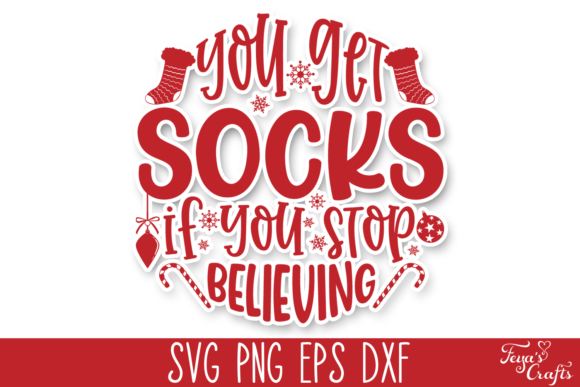
When I first opened the package for this digital embroidery file, I didn't expect much. The title, "You Get Socks if You Stop Believing," sounds like a playful joke you might see on a cheap novelty t-shirt at a gas station. But as an experienced designer who has spent years turning raw graphics into tangible, stitched products for clients and my own shop, I know that the devil is in the details. Is this just another lazy text design, or does it have the structural integrity to survive a real embroidery machine? I decided to put You Get Socks if You Stop Believing through its paces before recommending it for any commercial projects.
The immediate visual impression of the design is surprisingly strong. It captures a specific mood: whimsical, slightly cynical, but ultimately warm. This isn't the kind of quote that screams "corporate branding." Instead, it feels perfectly at home in the realm of handmade goods, cozy home decor, and personal gifts. The layout is clean, which is a huge plus for embroidery. Text-heavy designs often suffer from cluttered lettering when converted to stitches, but this one promises a clear path for the thread. It fits naturally into the Crafts and Graphics categories because it bridges the gap between digital art and tactile creation.
Real-World Application: From Screen to Stitch
Let's imagine a real scenario. I am preparing a batch of custom holiday gifts for a boutique client. They want something unique for their staff—a festive sweatshirt that doesn't look like every other store uniform. I pull up You Get Socks if You Stop Believing to test how it translates onto heavy cotton fleece. In theory, the phrase works well here. It's a conversation starter. When a customer sees the design embroidered on a chest pocket or across the back of a hoodie, they pause. They smile. That moment of recognition is what drives engagement in a craft business.
I also considered using this design for a baby item, perhaps a soft muslin blanket or a onesie. The sentiment is perfect for a nursery or a new parent gift. However, working with baby clothes requires extreme precision. If the stitch density is too high, the fabric becomes stiff and uncomfortable against delicate skin. If it is too low, the letters might pucker or look ragged after a few washes. This is where the quality of the embroidery file matters most. A good design anticipates these issues by balancing the satin stitch used for outlines with the fill stitch needed for bold letters.
Another practical use case involves creating an embroidered patch. The phrase is short enough to fit on a standard 3-inch circular patch, making it ideal for decorating denim jackets, canvas tote bags, or even baseball caps. The versatility of having the design available in multiple formats like SVG, PNG, EPS, and DXF means I can adapt it for different machines without losing clarity. Whether I am running a small Etsy shop or designing for a local boutique, the ability to scale this asset without pixelation is crucial.
Where to Use Caution: The Technical Challenges
While the concept is solid, not every surface is created equal. There are specific situations where You Get Socks if You Stop Believing might struggle. For instance, attempting this design on a curved surface like a baseball cap requires careful attention to the hoop size. If the curve is too tight, the text will distort, and the letters might overlap in unintended ways. Similarly, thin fabrics like silk or lightweight polyester can tear under the tension of a dense embroidery design. Without proper stabilizer support, the finished product could look warped rather than professional.
Dark fabrics present another hurdle. If the background is black or navy, the thread colors must be chosen carefully to ensure contrast. A light-colored thread on a dark shirt creates a classic look, but if the thread count is too low, the text might get lost in the fabric texture. Conversely, white thread on a dark background can sometimes look stark and harsh if the stitching isn't balanced with a softer running stitch border. I always advise testing these combinations on scrap fabric before committing to a final piece.
There is also the issue of small hoop sizes. If you try to cram this entire phrase into a 4x4 inch hoop, the individual letters might become too small to read clearly once stitched. Embroidery relies on positive space; if the threads touch too closely, the design loses definition. For best results, this design should be reserved for larger areas like the front of a sweatshirt, the center of a tote bag, or the side panel of an apron. Avoid placing it on tiny accessories unless you are willing to sacrifice legibility for aesthetics.
Impact on Product Value and Brand Consistency
In the world of handmade products, presentation is everything. A poorly executed design can make a $50 item feel like a $10 knockoff. You Get Socks if You Stop Believing has the potential to elevate a product if handled correctly. The humor in the quote adds personality, while the clean execution ensures professionalism. Customers trust brands that pay attention to detail. When they receive a personalized gift with crisp, even stitching, they are more likely to return for future purchases or recommend the shop to others.
This design also supports brand consistency. If your shop focuses on cozy, witty, or nostalgic themes, this quote aligns perfectly with that identity. It reinforces the idea that your brand understands the customer's sense of humor. Whether you are selling custom apparel, kitchen towels, or holiday decorations, maintaining a consistent visual voice helps build a loyal following. The design acts as a silent ambassador for your business, communicating value and care before the customer even speaks.
Essential Notes for the Designer
Before you rush to load this design into your machine, there are a few practical steps you must take. First, always test the design on scrap fabric. This simple step saves time, money, and frustration. Check the thread color contrast against your actual fabric choice. Does the text pop, or does it blend in too much? Review the stitch density to ensure the fabric isn't puckering. Confirm the hoop size matches your intended project dimensions.
Inspect the small details closely. Are the serifs sharp? Do the curves flow smoothly? Sometimes, converting a vector file to an embroidery format introduces minor glitches that only appear during stitching. Test the design in black and white mockups to visualize the negative space. Compare how it looks on both light and dark backgrounds. Ensure you are using the proper stabilizer for the fabric type; cut-away stabilizers are usually best for stretchy materials like sweatshirts, while tear-away works well for stable wovens.
Finally, check the licensing terms. Just because you bought a digital embroidery file doesn't automatically mean you can sell the finished items. Some licenses allow for single-use personal projects, while others permit commercial production. Clarify these terms before listing your product on Etsy or any other marketplace. If the design is part of a ZIP file containing SVG, PNG, EPS, and DXF formats, verify that all files are compatible with your specific software and machine.
You Get Socks if You Stop Believing is more than just a funny phrase; it is a versatile tool for creative entrepreneurs. With the right preparation and technical care, it can transform a simple piece of fabric into a memorable, high-quality product that customers will cherish. It reminds us that even the smallest details can make the biggest impact in the world of handmade crafts.