Classy Witch - Halloween PNG Review
As a designer who spends more time looking at stitch lines than actual thread, I approach every new digital asset with a healthy dose of skepticism. The market is flooded with generic clipart, but finding a design that balances aesthetic charm with technical viability for embroidery is rare. Recently, I evaluated the Classy Witch - Halloween PNG - Witch PNG to see if it holds up under the scrutiny of real-world production. This isn't just about how it looks on a screen; it is about how it translates from a high-resolution digital file into a tangible, wearable piece of art.
First Impressions and Visual Personality
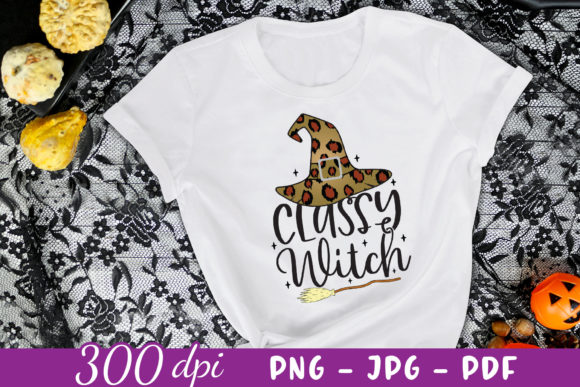
The moment you load the Classy Witch - Halloween PNG - Witch PNG, the mood is immediately established. It avoids the cliché of overly spooky or cartoonish horror tropes, opting instead for a sophisticated, "classy" aesthetic. For designers targeting boutique clients or those looking for subtle holiday decor, this distinction is critical. The eye-catching graphics suggest a modern take on traditional witch imagery, likely featuring clean lines and balanced negative space.
In terms of layout, the design feels versatile. It does not scream for attention in a chaotic way but rather invites the viewer in. This makes it an excellent candidate for custom apparel where the wearer might want to express personality without being too loud. The visual weight seems centered, which is a huge plus when planning placement on garments like sweatshirts or tote bags. It feels less like a decoration and more like a statement piece, which elevates the perceived value of the final handmade product.
Real-World Application: The Tote Bag Scenario
To truly test this design, I imagined using it for a specific project: a set of custom embroidered tote bags for a local craft fair. These are popular items, but they are also unforgiving. Fabric shifts, hoops can leave marks, and the design needs to be legible from a distance.
Using the Classy Witch - Halloween PNG - Witch PNG on a canvas tote bag presents an interesting challenge. Because the source files include high-resolution PNGs with transparent backgrounds, the initial cut-planning phase is straightforward. However, the transition from pixel to stitch requires careful consideration. If the design features delicate details in the witch’s hat or facial features, those elements must be simplified during digitization to ensure they survive the stitching process. On a tote bag, which has a textured fabric surface, intricate satin stitch work can sometimes get lost or look muddy if the thread tension is off.
I envision this design working best as a central chest print on a black or deep purple sweatshirt, or perhaps as a large back print on a canvas bag. In these scenarios, the "classy" vibe resonates with adults looking for stylish Halloween gear rather than children's costumes. It fits perfectly into the niche of small shop product branding, where consistency and quality are key to building customer trust.
Technical Considerations for Embroidery Designers
While the graphic is strong, no design is complete without understanding its technical constraints. When preparing the embroidery file for production, several factors come into play.
- Stitch Density: The design likely contains areas of dense filling, particularly if there are solid blocks of color in the dress or hat. High density can cause puckering, especially on thinner fabrics like tea towels or lightweight t-shirts. Designers must check the stitch count and potentially reduce the density or add tear-away stabilizer support.
- Hoop Size: Before committing to production, confirm the required hoop size. A design that looks compact on a 4x4 inch square might need a larger frame to accommodate all necessary stabilizers and edge stitches. Ensuring the hoop size matches your machine capabilities prevents mid-stitch failures.
- Thread Color Contrast: The effectiveness of the thread colors depends heavily on the base fabric. On dark fabrics, lighter threads will pop, but on light fabrics, you may need darker threads or an underlay to make the design visible. Testing in black and white mockups helps visualize this contrast before spooling up.
Additionally, if the design includes text, such as a quote mentioned in the product description, legibility is paramount. Tiny lettering often gets distorted during embroidery. It is wise to inspect small details closely and consider simplifying fonts if they are too intricate for reliable stitching.
Fabric and Surface Challenges
Certain surfaces pose risks for this type of design. Avoid using it on stretchy knits without proper stabilization, as the distortion can ruin the symmetry of the witch’s silhouette. Textured fabrics, such as chenille or heavy wool, can obscure fine details. Similarly, curved surfaces like caps require specialized hooping techniques; if the design is too wide or detailed, it may not lay flat against the curve of the brim.
For products that undergo frequent washing, such as baby clothes or kitchen aprons, durability is essential. Ensure that the stabilizer used is removed completely after stitching to prevent stiffness. If the design relies on loose threads or long run stitches, it may snag easily. In such cases, converting long runs to shorter segments or adding trim stitches can improve longevity.
Marketability and Customer Appeal
From a business perspective, the Classy Witch - Halloween PNG - Witch PNG hits several sweet spots for Etsy sellers and craft business owners. Halloween is a massive sales driver, but many customers are tired of cheap-looking prints. An embroidered version offers texture and depth that printing cannot replicate.
This design appeals to a broad demographic. It works well for personalized gifts, such as monogrammed robes or pillow covers for young adults moving into their first home. It also fits the trend of "witchy decor" in nurseries or bedrooms, where parents want festive items that don't look childish. By positioning this as a premium embroidered patch or a high-quality garment print, you can command higher prices.
The inclusion of multiple file formats (PNG, JPG, PDF) allows for flexible marketing. You can use the PNG for direct embroidery plotting and the JPG/PDF for creating printable mockups to showcase the design on various products in your online store. This versatility saves time and enhances your design assets library.
Final Verdict and Practical Tips
The Classy Witch - Halloween PNG - Witch PNG is a strong contender for anyone looking to expand their Halloween collection with a touch of elegance. Its success, however, hinges on execution. As an experienced reviewer, my advice is to treat it as a starting point, not a finished product.
- Test First: Always stitch a sample on scrap fabric that mimics your final material. Check for registration issues and thread breaks.
- Review Licensing: Confirm whether the license allows for commercial use of finished goods. Selling physical items made from the design is different from selling the digital file itself.
- Enhance with Details: Consider adding complementary elements, like simple stars or moons, to balance the composition if the main design feels sparse.
By paying attention to these details, you transform a good graphic into a professional embroidery project. Whether you are creating holiday embroidery pieces for friends or scaling up for a commercial embroidery venture, this design provides a solid foundation. It respects the craft while delivering a visually appealing result that customers will appreciate long after the holidays are over.