Witch Way to the Coffee Review
As a designer who spends half her life staring at digitized files and the other half troubleshooting thread jams, I don’t just look at a design file; I look at how it will behave under the needle. When Witch Way to the Coffee, Sublimation PNG landed in my inbox, I didn’t immediately think about sublimation printing. I thought about stitch density, hoop size limitations, and whether this quirky phrase would translate into a cohesive embroidery project that feels premium rather than amateurish.
The market is flooded with generic coffee quotes and basic witch silhouettes. What matters to me—and what should matter to any Etsy seller or craft business owner—is execution. Does the layout breathe? Are the details too fine for a standard 4x4 hoop? Can this survive a wash cycle without looking frayed? Here is my practical breakdown of using this graphic as a foundation for real-world embroidery work.
First Impressions: Mood and Visual Personality
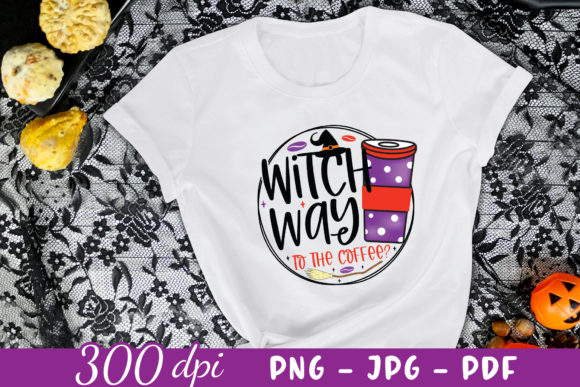
The immediate appeal of this design lies in its relatability. It taps into the "witchy aesthetic" trend that has dominated home decor and apparel for years, but it grounds that fantasy in a very human need: caffeine. The mood is playful, slightly sarcastic, and cozy. This isn’t a dark, gothic piece; it’s a morning-after or mid-day slump vibe.
Visually, the quote-driven nature suggests a strong typographic element. For an embroidery designer, text is always the hardest part to get right. If the lettering is too thin, it will break. If it’s too dense, the fabric will pucker. From a digital preview, the graphics appear eye-catching, suggesting a balance between illustrative elements (likely the witch or related icons) and the bold statement of the text. This combination naturally lends itself to casual wear and home goods where comfort and humor are prioritized over high-fashion precision.
Real-World Application: Where This Design Shines
In my experience, designs like Witch Way to the Coffee, Sublimation PNG perform exceptionally well on specific categories of handmade products. They bridge the gap between a novelty gift and a staple wardrobe item. Let’s look at where this fits best in a small business inventory.
- Custom Apparel and Sweatshirts: This is the most obvious application. A cropped hoodie or an oversized sweatshirt featuring this design hits the sweet spot for fall and winter collections. The theme aligns perfectly with cooler weather, making it a seasonal bestseller potential.
- Tote Bags and Market Totes: Canvas totes are a staple for craft fairs and boutique branding. The durable fabric can handle the weight of the design, and the humorous message encourages impulse buys from customers carrying their own bags.
- Kitchen Towels and Aprons: For the home decor segment, transferring this concept to linen tea towels or cotton aprons adds personality to a kitchen. It’s a great personalized gift for housewarmings or bridal showers for the hostess who appreciates a good joke.
- Baby and Nursery Items: Believe it or not, "coffee mom" themes sell surprisingly well for baby gifts. A onesie or burp cloth with this motif appeals to new parents who are running on little sleep and lots of caffeine. It’s a safe, funny gift that doesn’t take itself too seriously.
- Holiday and Seasonal Gifts: While not strictly Halloween-themed due to the coffee focus, the witch element allows it to fit into October sales. However, its year-round relevance makes it a safer bet for Q4 holiday gifting compared to purely spooky designs.
Technical Considerations for Embroidery Success
Using a sublimation PNG as a reference for an embroidery project requires translation. You cannot simply stitch a raster image. You must interpret the visual data into stitches. Here is what I look for when preparing this type of design for production.
Stitch Density and Detail Level: If the original graphic contains intricate line art or tiny decorative accents, you may need to simplify it for machine embroidery. High stitch density can cause puckering, especially on lightweight fabrics. I recommend converting fine lines into satin stitches and ensuring that any fill areas are balanced. If the design includes small lettering, check that the font weight is sufficient to remain legible after stitching.
Fabric Texture and Background: The choice of fabric drastically changes the final look. On a smooth cotton t-shirt, the design will look crisp. On a textured fleece or a heavy canvas tote, the details might get lost. Always test your thread colors against the actual fabric you intend to use. Dark fabrics require underlay stitches to prevent the design from sinking into the material, while light fabrics allow for more vibrant color choices.
Hoop Size Constraints: Before committing to a large production run, confirm the dimensions of the design relative to your machine’s hoop size. If the design is wider than 5 inches, you may need a multi-hooping setup or a larger frame. This affects your workflow efficiency and labor costs. For small items like baby hats or patches, ensure the design scales down properly without losing its character.
Pitfalls to Avoid
Even the best designs can fail if applied incorrectly. There are several scenarios where Witch Way to the Coffee, Sublimation PNG might not yield the desired result.
- Stretchy Fabrics: Avoid using this design on highly stretchy materials like spandex blends unless you use a stabilizer specifically designed for knits. Stretch can distort the text, making the quote unreadable.
- Curved Surfaces: Applying this to caps or curved mug sleeves requires careful digitizing to account for the curvature. Flat-digitized designs often look warped on rounded objects.
- Thin or Delicate Fabrics: Thin synthetics may tear under the tension of dense stitching. Stick to medium-weight fabrics for the best durability and appearance.
- Over-Processing: Don’t add excessive decorative elements around the core design. Let the quote stand out. Cluttered embroidery looks cheap and reduces the perceived value of the finished product.
Final Verdict: Is It Worth the Investment?
For designers looking to expand their catalog with low-risk, high-appeal items, this design offers a solid foundation. The combination of humor and seasonal aesthetics gives it broad marketability. Whether you are creating custom apparel for clients, stocking a small shop, or selling digital assets for other makers, Witch Way to the Coffee, Sublimation PNG provides a versatile starting point.
My advice is to treat the PNG as a visual guide rather than a direct stitch file. Digitize it with attention to stitch direction, density, and stability. Test it on scrap fabric first to evaluate thread contrast and overall impact. By focusing on quality execution, you can turn a simple graphic into a professional-grade embroidery project that customers will love to wear and display.
Remember to review the licensing terms associated with the source files before selling finished products. Ensure you have the commercial rights to produce and sell items made from this design. With proper preparation, this design can be a valuable addition to your craft business toolkit, appealing to everyone from hobbyists to serious Etsy sellers.