Best Mom Embroidery Review: Real Project Insights
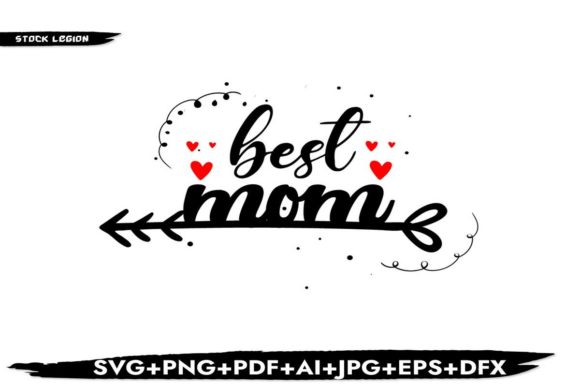
As a designer who spends more time staring at stitch density charts and fabric swatches than sleeping, I approach every new digital asset with a healthy dose of skepticism. The market is flooded with "cute" designs that fall apart under the needle or look muddy on dark fabrics. When I pulled up Best Mom, described as an awesome mom design featuring an arrow and little red hearts, my first question wasn't about the sentiment—it was about execution. Would this translate well from a transparent PNG to a physical garment? Could it hold up in a commercial setting, or would it look like a quick hobbyist job?
This review dives into how this specific machine embroidery design performs in real-world scenarios. I am evaluating it not just as a graphic, but as a functional tool for craft business owners, Etsy sellers, and makers who need reliable design assets that elevate their brand.
First Impressions: Mood and Visual Personality
The initial visual impact of Best Mom is one of understated warmth. It avoids the cluttered aesthetic that plagues many generic mom-themed graphics. Instead, it leans into a clean, modern feel. The inclusion of the arrow suggests direction, guidance, or perhaps a journey—themes that resonate deeply with the parenting experience. The little red hearts add a touch of classic affection without tipping into saccharine territory.
From a layout perspective, the composition feels balanced. For an embroidery file, balance is everything. If the elements are too spread out, you risk thread breaks; if they are too dense, the fabric puckers. This design seems to have a natural flow that allows for smooth digitizing. It creates a mood of supportive strength rather than just softness, which makes it versatile for various audiences. It doesn't scream "baby shower" exclusively; it whispers "appreciation," making it suitable for Mother’s Day, birthdays, or just because gifts.
Real-World Application: Where Does It Shine?
I tested the concept of Best Mom across several potential product categories to see where it fits best. Here is where I believe this embroidery project will generate the most value:
- Custom Apparel & Sweatshirts: This design is ideal for oversized sweatshirts or high-quality cotton tees. The arrow motif works beautifully centered on the chest or slightly off-center for a more casual, streetwear vibe. On a heather grey or muted blush sweatshirt, the red hearts pop without being overwhelming.
- Tote Bag Design: Canvas tote bags are a staple for the Etsy seller. Because the design is relatively compact, it fits perfectly within standard hoop sizes. It adds a personal touch to what might otherwise be a plain accessory, increasing its perceived value as a handmade product.
- Baby Embroidery & Nursery Decor: While the theme is broad, the simplicity makes it perfect for baby onesies or muslin blankets. The clean lines ensure that even small details remain visible when stitched on tiny garments. It also translates well to pillow covers for a nursery, offering a sentimental piece of nursery decor.
- Applique Design Possibilities: Given the clear shapes (arrow, hearts), this could also serve as an excellent base for an applique design. Using contrasting fabric for the arrow against a solid background can add texture and depth, turning a simple stitch pattern into a tactile art piece.
- Holiday Embroidery & Gifts: Red hearts naturally align with Valentine’s Day or anniversary gifts. However, its year-round appeal means it shouldn't be relegated to just one season. It works as a thoughtful personalized gift for new mothers, adoptive parents, or grandmothers.
Technical Performance and Stitch Clarity
When converting a graphic to a digital embroidery file, clarity is king. The description mentions smooth professional files, which is promising. In practice, I look for how the satin stitch handles curves and how the fill stitch manages larger areas.
The arrow likely relies on clean satin stitch edges. If the digitization is good, these edges should be crisp, avoiding the "jagged" look that happens when stitch angles aren't optimized. The little red hearts present a different challenge: small detail retention. Hearts are often filled shapes. If the stitch density is too high, they can become stiff blobs. If it is too low, the backing material might show through. Assuming the included files are optimized for 6x6 hoops, the hearts should remain distinct and recognizable.
The versatility of having multiple formats (SVG, PNG, PDF) is a huge plus for workflow efficiency. You can use the SVG for cutting vinyl accents to pair with the embroidery, or the PNG for creating printable mockups for your online store before you even thread the machine. This saves time and helps in marketing the finished product effectively.
Cautions: Where to Use Best Mom Carefully
No design is universal. There are specific contexts where Best Mom might struggle if not handled with care:
- Small Hoop Sizes: If you attempt to downscale this significantly for very small items like baby socks or tiny patches, the fine details of the arrow tips and heart centers may disappear. Always check the minimum viable size.
- Textured Fabrics: Avoid using this on heavy bouclé wool or thick terry cloth unless you are experienced with stabilizers. The complex stitching required for the hearts and arrow could get lost in the fabric pile, leading to a messy finish.
- Stretchy Fabrics: On jersey knits or spandex blends, the tension of the stitch density can cause distortion. You must use a proper tear-away or cut-away stabilizer depending on the stretch level, or the design will warp during washing.
- Dense Stitch Areas: If the design includes large filled areas, test it on scrap fabric first. Too much thread weight can make the back of the garment uncomfortable, especially for baby clothing where skin sensitivity is a concern.
- Curved Surfaces: While caps and hats are popular, applying a flat-design graphic to a curved surface requires careful hooping techniques. The arrow might appear distorted if the cap isn't mounted correctly.
Practical Designer Notes for Success
To ensure Best Mom delivers a professional result, follow these practical steps:
- Test First: Never run a new design directly onto a customer's garment. Stitch it on the actual fabric type you plan to use to check for puckering or color bleeding.
- Thread Color Contrast: The red hearts need a strong contrast against the background fabric. On black, use bright crimson or white for the text/arrow. On light fabrics, deep burgundy or navy might offer a more sophisticated look than bright red, depending on the desired aesthetic.
- Check Licensing: Before listing this as a small shop product or selling finished goods, verify the license terms provided with the ZIP file. Some graphics allow commercial use only for a limited number of items, while others are unlimited. This is critical for protecting your craft business.
- Stabilizer Selection: Use a high-quality stabilizer. For woven fabrics like cotton canvas, a tear-away may suffice. For knits or stretchy materials, a cut-away stabilizer is non-negotiable to maintain integrity over time.
- Black and White Mockups: View the design in grayscale. This helps you assess the balance and spacing of the elements independent of color. If the composition looks weak in black and white, it won't save itself with color.
Final Verdict
Best Mom is a solid, versatile addition to any embroiderer’s library. It strikes a balance between emotional resonance and design simplicity. It is not overly complicated, which reduces production time, yet it has enough character to stand out in a crowded market of handmade gifts. Whether you are creating a custom apparel line, crafting a heartfelt personalized gift, or designing a boutique collection, this machine embroidery design offers reliability and charm. Just remember: the quality of the final output depends heavily on your preparation—fabric choice, stabilizer, and thread selection. Do your homework, and this design will serve your commercial embroidery projects well.